History of the Galleria Borghese – From Cardinal’s Collection to Public Treasure
Discover the fascinating history of the Galleria Borghese, from Scipione Borghese’s private villa to one of Rome’s most visited art museums.
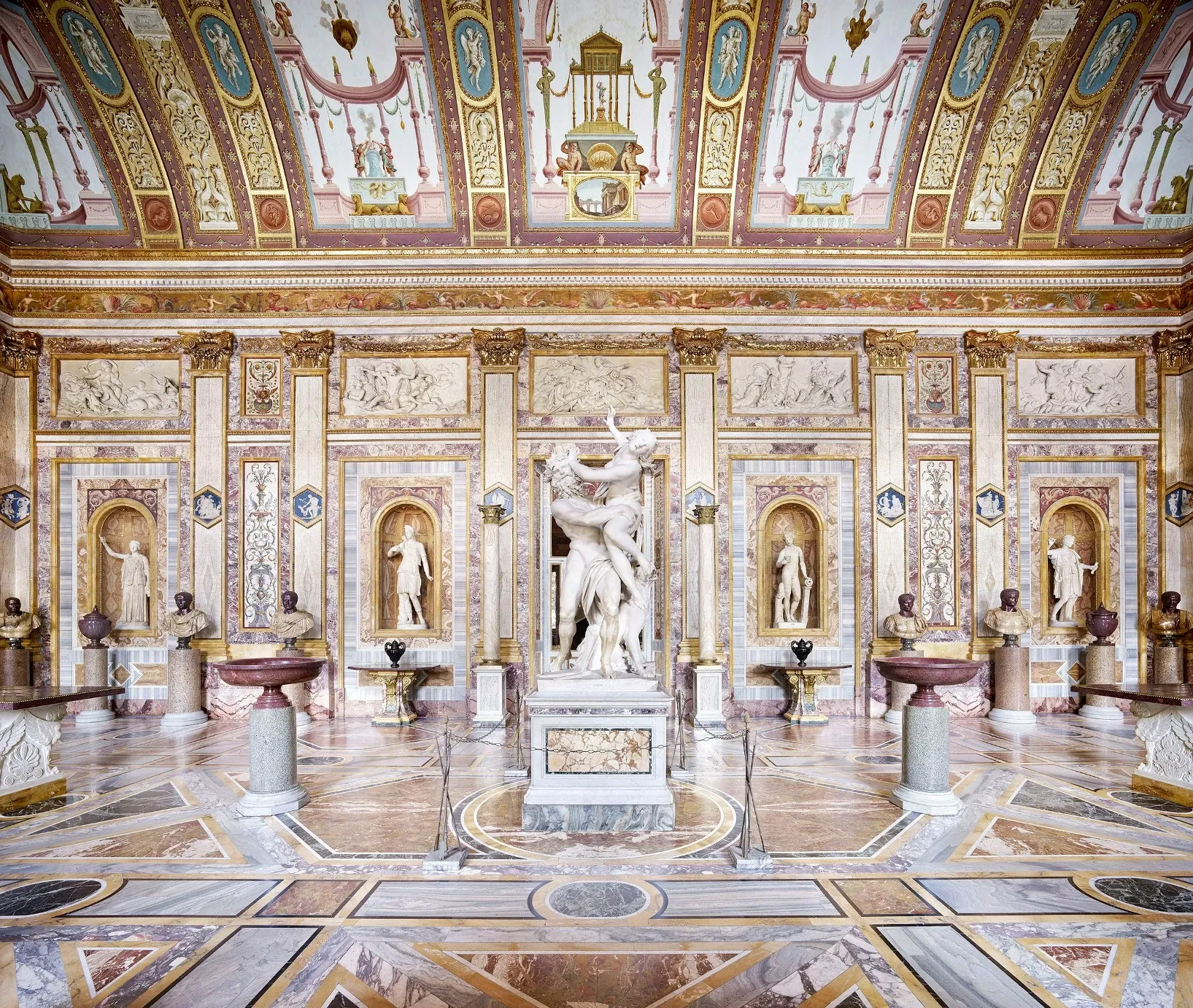
History of the Galleria Borghese
The Galleria Borghese owes its existence to the passion and ambition of Cardinal Scipione Borghese (1577–1633), one of the most influential art patrons of the 17th century. A nephew of Pope Paul V, Scipione used his position to amass a collection that reflected not only the wealth of his family but also the intellectual spirit of his age.
Origins and Construction
The villa was designed by architects Flaminio Ponzio and Giovanni Vasanzio as a suburban residence and exhibition space—a true "villa of delights." It embodied the ideals of early Baroque architecture, merging elegance with theatricality. From the start, the villa was conceived as a temple of art, showcasing paintings, sculptures, and ancient mosaics acquired through purchase, commission, and sometimes persuasion.
Expansion of the Collection
Scipione Borghese’s eye for talent led him to support artists such as Caravaggio and Bernini, whose groundbreaking works would redefine art itself. Many of Caravaggio’s paintings entered the Borghese collection through direct acquisition or papal decree. Bernini, meanwhile, was given some of his earliest major commissions here, creating sculptures that remain the centerpiece of the gallery.
Over the centuries, the collection evolved through inheritance, papal politics, and shifting fortunes. In 1807, much of the Borghese family’s ancient sculpture collection was sold to Napoleon and now resides in the Louvre Museum—a poignant reminder of art’s journey through history.
Modern Era
In 1902, the Italian state purchased the villa and its collections, opening it to the public as a national museum. Today, after meticulous restoration projects, the Galleria Borghese stands as a testament to the artistic grandeur of Rome’s past and the enduring legacy of human creativity.
About the Author

Dr. Alessandra Rossi, Art Historian
An art and history enthusiast, I created this site to help visitors experience the Galleria Borghese fully. Drawing from personal visits, I share insights, tips, and practical advice for art lovers.
Tags
Comments (0)
Loading comments...